mustafaşen

Cinematography

Cinematography 3 / Light

Cinematography 3 / Light

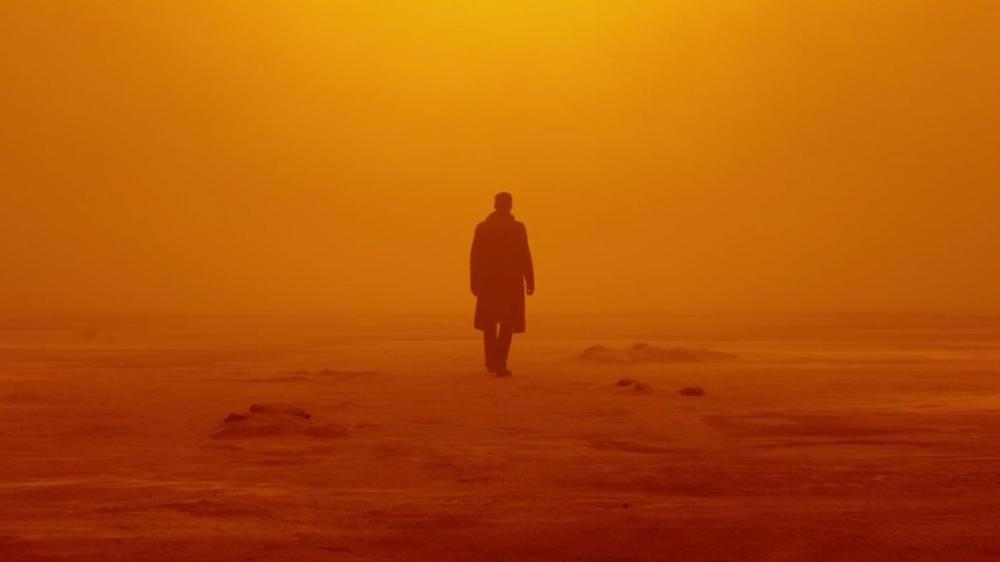
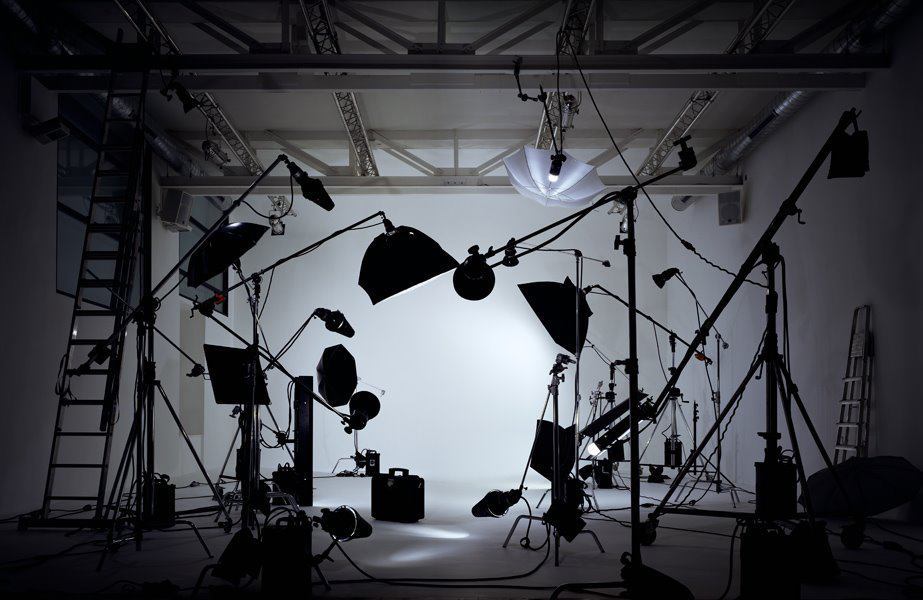
The final act. In this post, we will briefly talk about the basic lighting types, usage areas, control techniques and basic styles and close the Cinematography chapter.Natural Lighting : Any type of natural light available in the selected location. Oftenly it refers to sunlight and daylight. Free! is the biggest advantage. Hour of day and weather should be taken into account in time consuming shots to keep continuity. It can be controlled by Reflectors, Diffusers of Flags.Revenant. Nice example

 · 5 min read
Cinematography 2 / Camera / Movement / Transition

Cinematography 2 / Camera / Movement / Transition

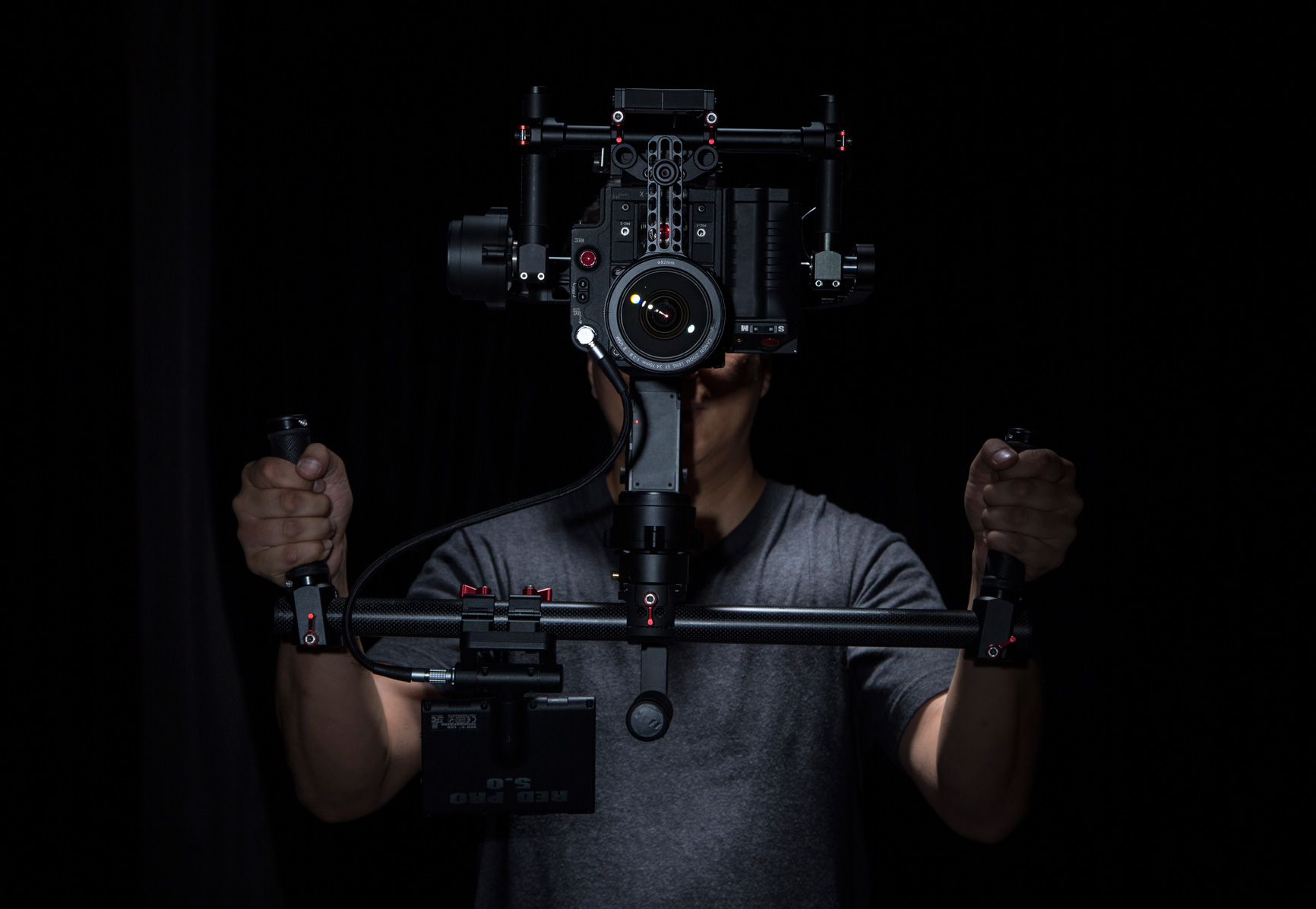
Action !Camera movement is one of the most important elements in storytelling. We all use camera movement in our movies, videos, animations but we don't fully understand importance, benefits, and where to use it. In short description, movement is the method of moving from one frame, scale, angle, subject, event to another without interruption. Movement has many artistic benefits that we will list shortly, but above all, we need to mention its biological benefit.The human body, and specifically

 · 8 min read

Cinematography 1 / Camera / Focal Length / Angle

Cinematography 1 / Camera / Focal Length / Angle

Cinematography (lets call it SG for sake of time)In short, SG is the subject of visually revealing the emotion and meaning that the script and director wants to convey, providing the necessary techniques and conditions, and conveying the same emotions and meaning to the audience with minimum deviation.It covers a very extensive field of work, from the fine technical features of the camera to the setting of the stage, lighting, and beyond the meta, to the spiritual, to the transfer of emotions. I

 · 7 min read

Linear Workflow ( LWF ) Part 2

Linear Workflow ( LWF ) Part 2

Picking up where we left off of LWF and continue with softwares.We talked about the advantages of LWF. Like many advantages, LWF comes with some handicaps. This is basically about our process of changing and adapting our workflow.Let's go through the software and try to see how the workflow will be.Let's note that if you are not working in the cinema industry or vfx, it may be more logical not to take the LWF load.Let me remind you of an important point that we also mentioned in Gamma article.Pl

 · 5 min read

Linear Workflow ( LWF ) Part 1

Linear Workflow ( LWF ) Part 1

Now, previously we saw Gamma workflow and how it can produce natural looking results. So then is there a problem with Gamma workflow? To put it simple while Gamma gives visually pleasing results, it is not Mathematically accurate. We mentioned before Predictable vs Accurate. Please note that every software and hardware works linearly under the hood.8-bit. Two spots. Halved values. Total is 255 or 1.0 or %100. Now to the point where the problem arises.Common simple Mathematical operation 2+2 ≠ 10

 · 4 min read

Gamma...

Gamma...

Now, this is where the things may get crazy. I will try to explain as simply as I can but nonetheless be cautious.This is a subject that when understood well, will greatly increase the quality of your work, and if not, it can lead to natural disasters. Pay attention to the research and follow it carefully.Let me point out an important thing at the beginning. It is a situation that we will encounter in many technical points. Predictable vs Accurate. The first one is consistent in perception but m

 · 5 min read

Color Space, Adobe RGB, sRGB...

Color Space, Adobe RGB, sRGB...

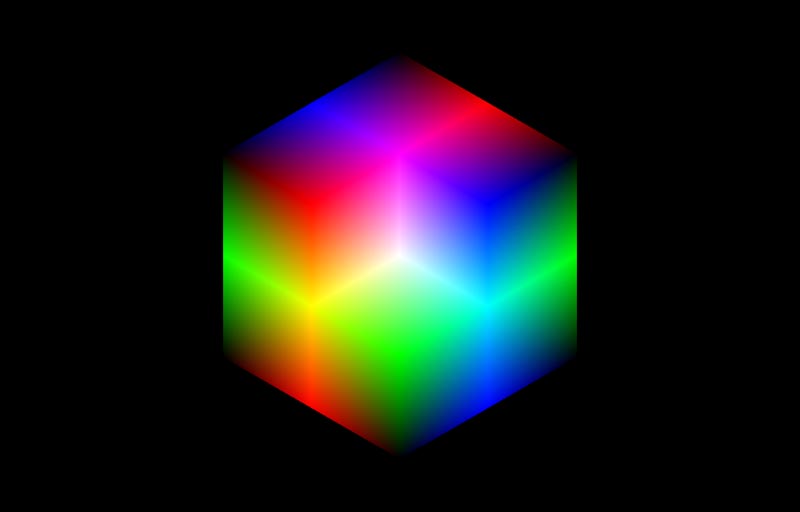
Color spaces are limited color areas which designed to show similar colors on different output devices like cameras, printers, monitors. It is defined with different color profiles such as sRGB, AdobeRGB etc.Adobe RGBaRGB is a wide color space developed by Adobe in 1998, including the unique color spaces (CMYK) of printers, with the aim of getting richer colors in the printouts. The aRGB we use in digital is ideal with its rich color tones, but it's a problematic color space if you don't know wh

 · 4 min read

Color Depth, Bit Per Channel (BPC)

Color Depth, Bit Per Channel (BPC)

In this article, we will cover the subject of Color Depth, Bit Per Channel (BPC), which is one of the first steps of color management.Color Depth - Bit Per Channel (BPC)The word bit is a combination of the words byte and digit. Each bit carries two possible values (color depending on our subject). 0 or 1. 2 bits can carry four possible values. 00, 01, 10, 11. Each of these values is different from the other. If we think of bits as an array, each bit we add to the array has twice the value of the

 · 6 min read

Camera, Lens, Parallax...

Camera, Lens, Parallax...

In this article, we will try to explain the main features of the camera and especially the lenses, and the lens selections according to the conditions by explaining the commonly used terms.A modern camera is a digital image recorder working via the lens focusing scattered rays to the sensor and in the sensor a filter called Bayer seperates colors and sends photons to photosites in sensor then those photons are converted to digital data.Video cameras are devices that can record images at certain

 · 12 min read