Trial Of Blog
· 1 min read
· 1 min read

Easy, we have nothing to do with Hawking or Radiation. We will try to mimic black hole simulation we saw in the movie Interstellar. Now, actually there is no simulation, it's a simple, cheap trick, an illusion. But! After I reveal the trick, don't be ungrateful!!!Those are what we will do, give it or take. It doesn't depend on any specific 3D software or render engine. Applicable in every 3D platform.Now step by step :1 - Throw a sphere at the center of the scene. The material is black, no refle
· 3 min read
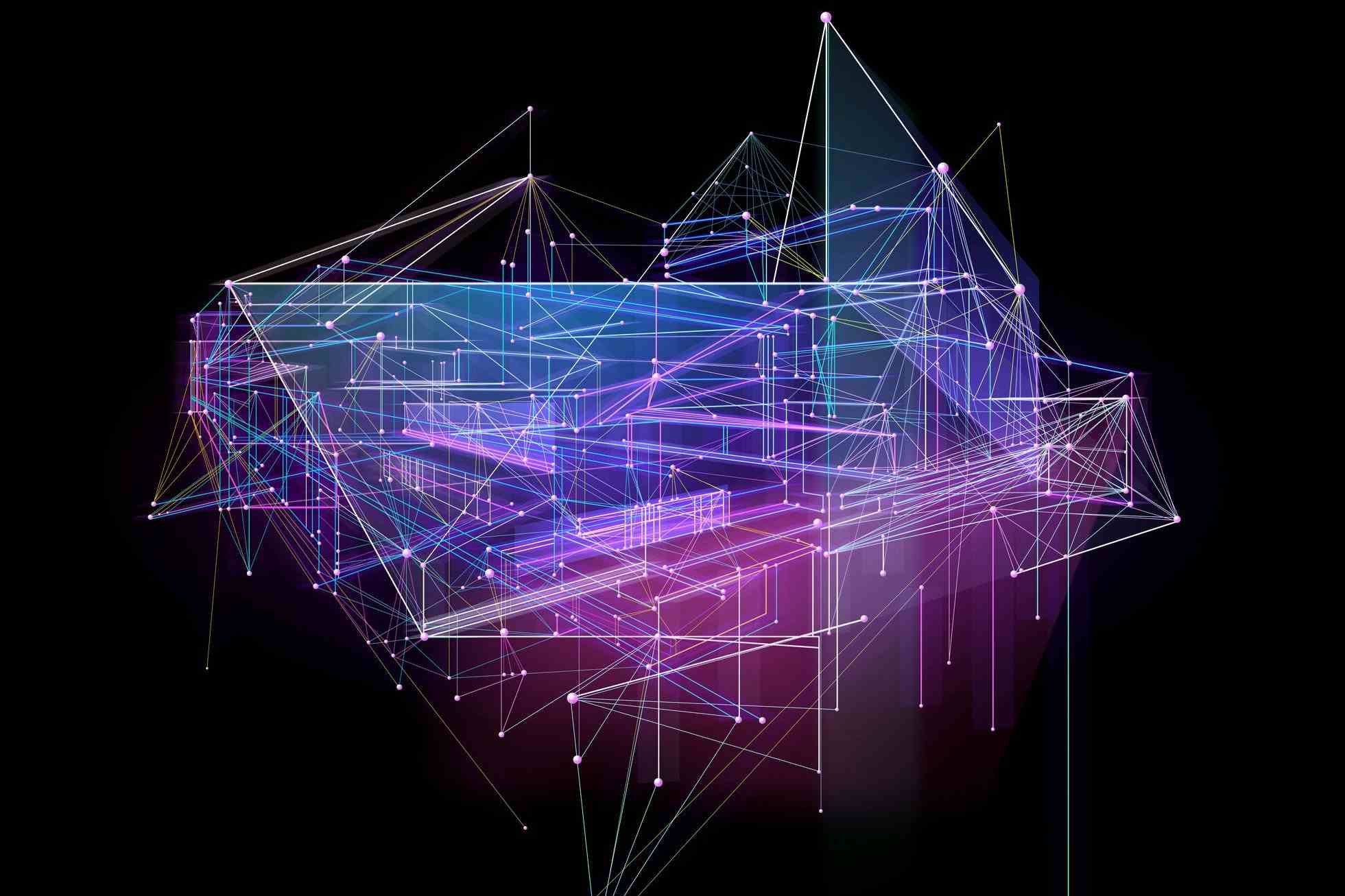
In this subject, we will try to explain an advanced and complex topic. If you like to watch pictures, paint kids books and easily get bored from reading I recommend you to leave quietly.Today, it is impossible to imitate the exact behavior of light in nature, in terms of processing power. Many behaviors and attributes such as Reflection, Refraction, IOR, TIR, SSS, energy transfers (radiance) that we mentioned before can be physically programmed in a way that is close to nature. But in such a cas
· 8 min read
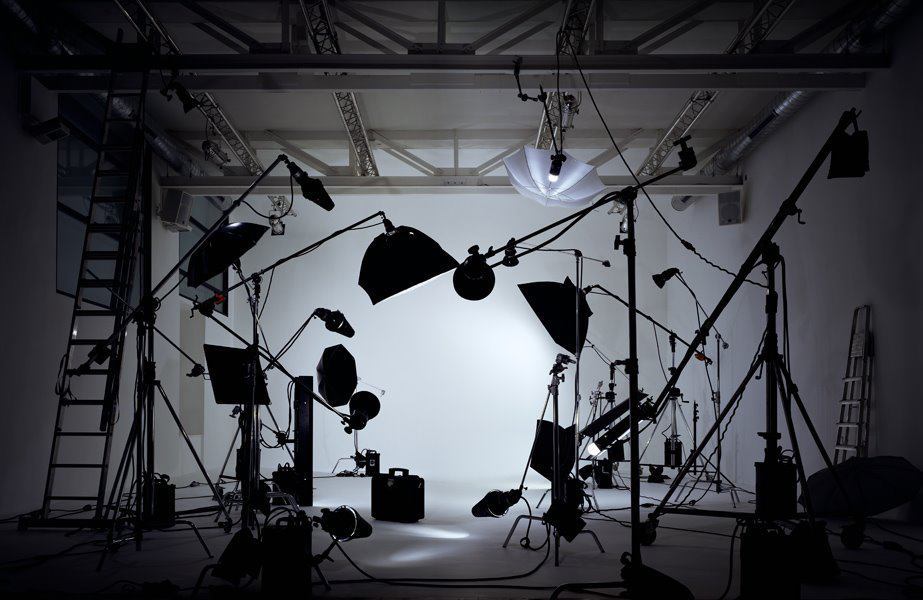
The final act. In this post, we will briefly talk about the basic lighting types, usage areas, control techniques and basic styles and close the Cinematography chapter.Natural Lighting : Any type of natural light available in the selected location. Oftenly it refers to sunlight and daylight. Free! is the biggest advantage. Hour of day and weather should be taken into account in time consuming shots to keep continuity. It can be controlled by Reflectors, Diffusers of Flags.Revenant. Nice example
· 5 min read
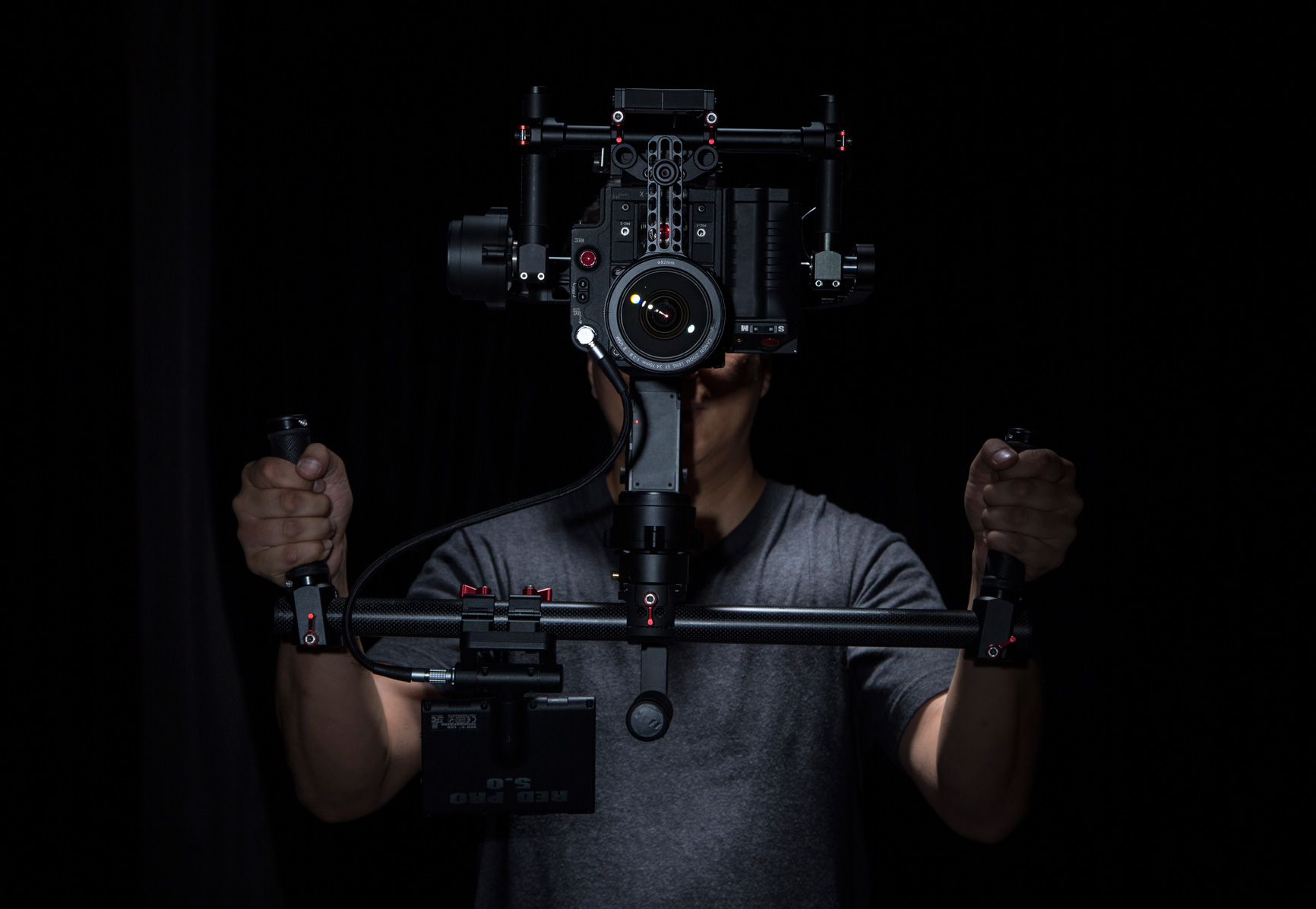
Action !Camera movement is one of the most important elements in storytelling. We all use camera movement in our movies, videos, animations but we don't fully understand importance, benefits, and where to use it. In short description, movement is the method of moving from one frame, scale, angle, subject, event to another without interruption. Movement has many artistic benefits that we will list shortly, but above all, we need to mention its biological benefit.The human body, and specifically
· 8 min read
Cinematography (lets call it SG for sake of time)In short, SG is the subject of visually revealing the emotion and meaning that the script and director wants to convey, providing the necessary techniques and conditions, and conveying the same emotions and meaning to the audience with minimum deviation.It covers a very extensive field of work, from the fine technical features of the camera to the setting of the stage, lighting, and beyond the meta, to the spiritual, to the transfer of emotions. I
· 7 min read
Picking up where we left off of LWF and continue with softwares.We talked about the advantages of LWF. Like many advantages, LWF comes with some handicaps. This is basically about our process of changing and adapting our workflow.Let's go through the software and try to see how the workflow will be.Let's note that if you are not working in the cinema industry or vfx, it may be more logical not to take the LWF load.Let me remind you of an important point that we also mentioned in Gamma article.Pl
· 5 min read
Now, previously we saw Gamma workflow and how it can produce natural looking results. So then is there a problem with Gamma workflow? To put it simple while Gamma gives visually pleasing results, it is not Mathematically accurate. We mentioned before Predictable vs Accurate. Please note that every software and hardware works linearly under the hood.8-bit. Two spots. Halved values. Total is 255 or 1.0 or %100. Now to the point where the problem arises.Common simple Mathematical operation 2+2 ≠ 10
· 4 min read

Now, this is where the things may get crazy. I will try to explain as simply as I can but nonetheless be cautious.This is a subject that when understood well, will greatly increase the quality of your work, and if not, it can lead to natural disasters. Pay attention to the research and follow it carefully.Let me point out an important thing at the beginning. It is a situation that we will encounter in many technical points. Predictable vs Accurate. The first one is consistent in perception but m
· 5 min read
Cinema 4d, crown jewel of mograph artists, indispensable of shoe advertisements, and the father of abstract meaningless works. In this article, we will list some shortcuts, functions and workflow solutions that will make your job easier. Search - Shift + CYou know the terminology, outline selections, rigid body, soft body, xpresso, melt, stitch you know what you are looking for, but you are not used to C4D's relatively complex shortcut assignments. Was it M-N? U-P?, X-Z?, xXx??. At this point, j
· 8 min read
It would not be an exaggeration to say that forces are the mother of all simulations. It is unthinkable for anything to move without forces in simulations. As there are universal forces like Gravity, Wind, Turbulence affecting all simulations, there are also specific forces that shape simulations like liquid, gas etc. Gravity : A natural phenomenon by which all things with mass or energy are attracted to (or gravitate toward) one another. The weakest/strongest force that shapes the universe wit
· 3 min read
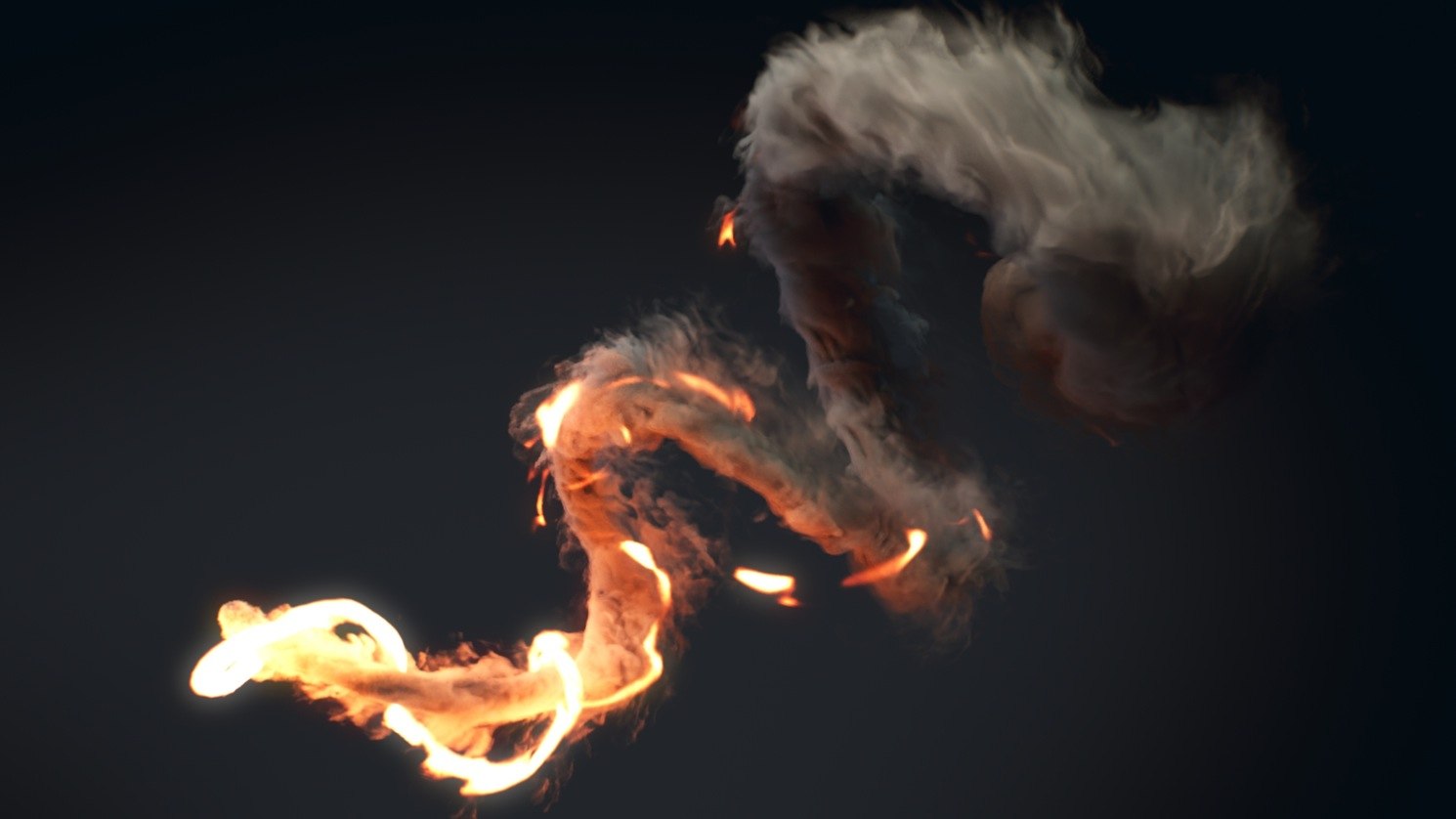
Gaseous simulations are much like liquid simulations that they generally work with plugins such as FumeFX, Turbulence FD, X-Particles. Gas simulations can interact with particles as well, and are basically created on fixed static 3d pixels called voxels that receives and transmits values. Basically a cubic container is created - in which all the simulation takes place. The container itself is divided into virtual voxels. For example, if we set voxel size as 1cm for a container of 100cmx100cmx100
· 3 min read
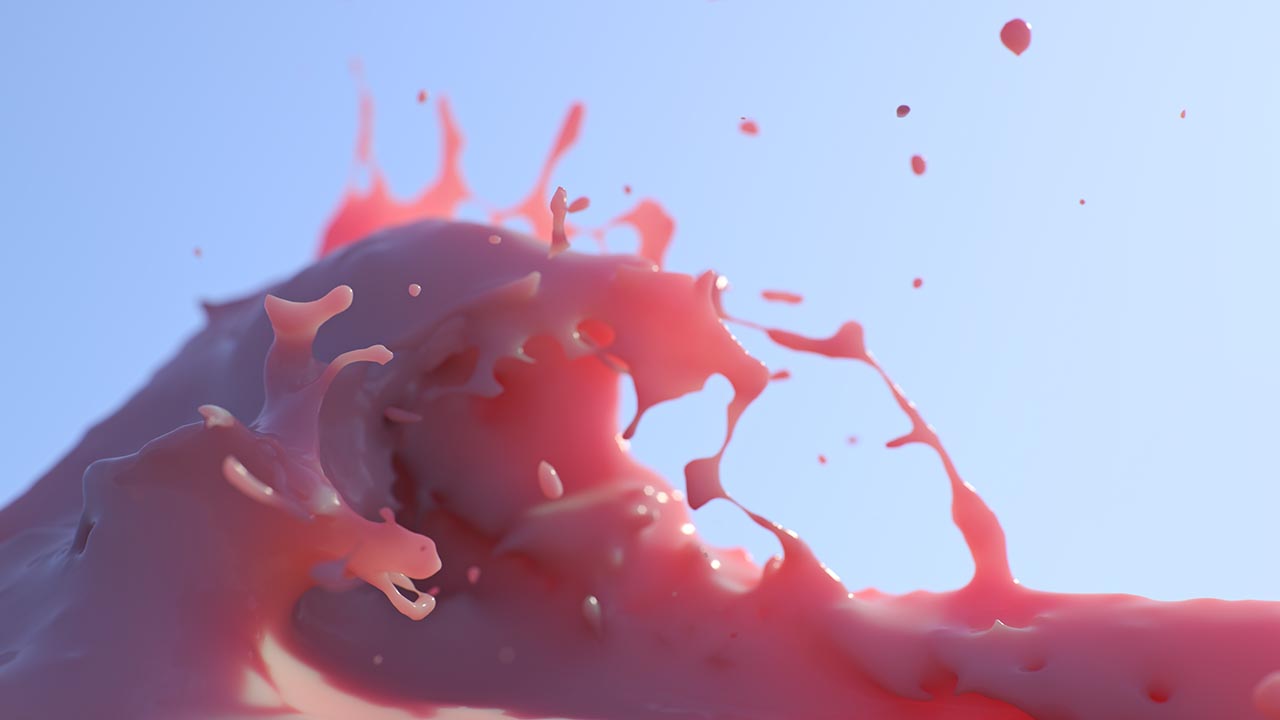
After this point, simulations such as liquid/gas are usually obtained with some plug-ins or external software that are not included in 3d software. X-Particles, Real Flow, FumeFX, Turbulence FD, Phoenix FD etc. All the liquid simulations are based on particles. Liquid-fluid simulations have wide and variable parameters depending on the plugin. Some of the main important and common parameters are as follows:Emitter : This is the most important parameter. It determines the source, exit and format
· 5 min read
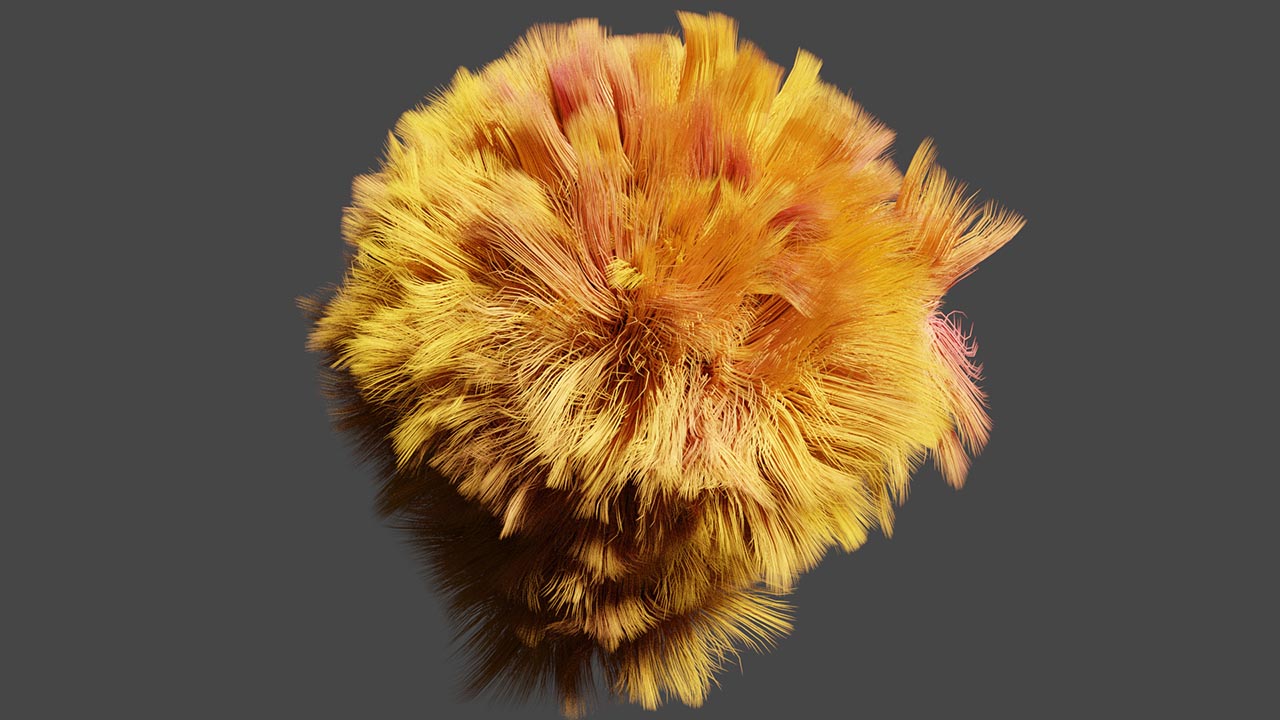
Simply imitates the behavior of hair, fur, feathers, etc. The process is generally divided into three parts. Material, Styling and Dynamics. Depending on the software you use, these three parts may be in a single node/modifier/tag or they may be separate.Material Defines the natural appearance of the feather. The main parameters such as the color, shape etc. are as follows:Color : Yes, colour. It is usually a Ramp parameter since you can define the tip and the root colors differently. Grays are
· 1 min read
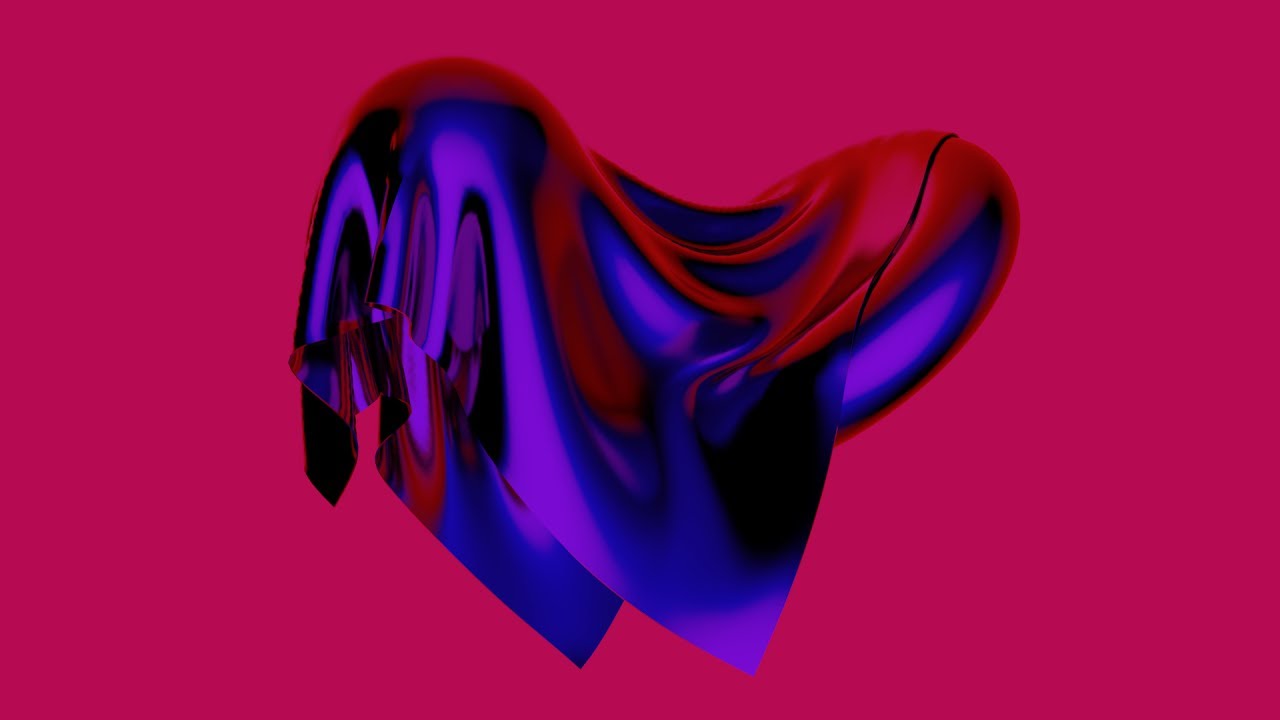
Let's continue from our previous post. It's here. SOFT BODYSoft Body allows objects to interact and deform at the vertex level. It is like an extension of RBD. There are some additional settings.Soft Body and Cloth's basic working logic is based on springs. We can call spring as the inter-vertex connections. By adjusting parameters such as spring stiffness, softness, vibration, the gathering and interactions of vertexes can be defined.Spring ... Some 3D Spring types: Let's take a look at the ba
· 2 min read
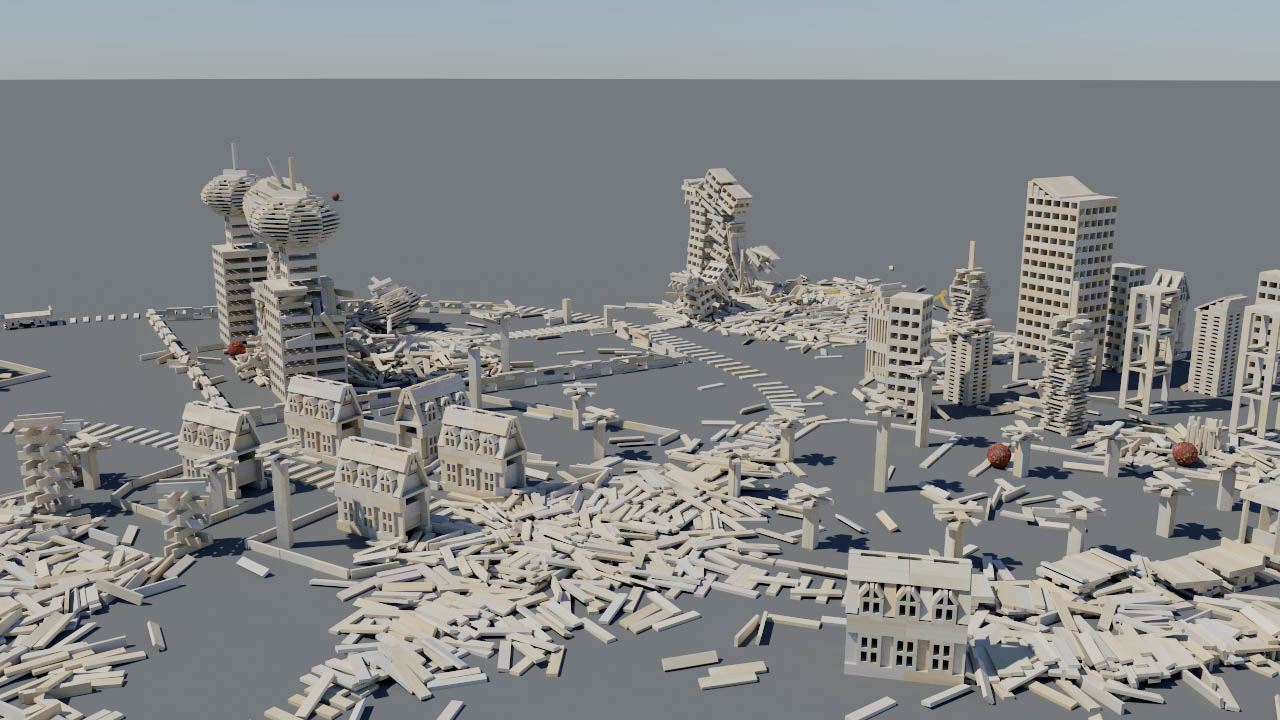
Our aim will be to explain the simulation types and parameters we use in 3d software as much as we can. You can also see it as a kind of simulation dictionary.RIGID BODYIt means solid, undeformable (at sub-levels like vertex, polygons) body. RBD can be achieved by adding certain physical properties of solid objects to the simple mesh via tag, modifier, fx. Some universal parameters are as follows.TypeIt determines the motion type of the object.Dynamic/Rigid - defines as movable object. Kinematic
· 5 min read
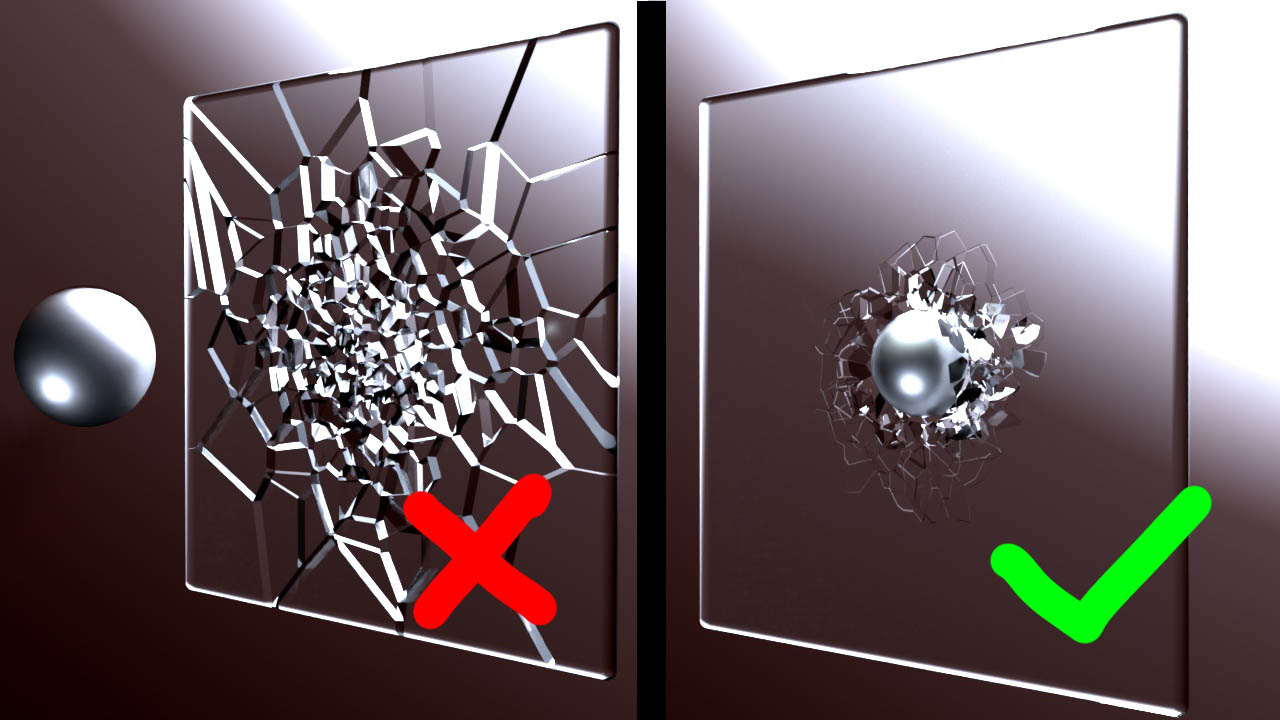
Kurşun, top, tahta, Supermen... Bazen saydığımız cisimlerin camı çerçeveyi indirip şov yapmasını isteriz. Bunu nasıl yaparız ? Basit ince bi küp üzerinden gidelim. Herhangi bir yazılımda Fracture eklentisi özelliği, pluginiyle küpümüzü güzelce parçalanmış hale getirdik. Üstüne güzel bir cam materyali hazırlayıp fırlattık. Hayal kırıklığımız ilk öngörünüm renderımızda ortaya çıkacaktır :Daha simülasyona başlamadık dokunmadık bile neye kırıldın kim üzdü seni ? Görüldüğü gibi cam, initial state'te
· 3 min read
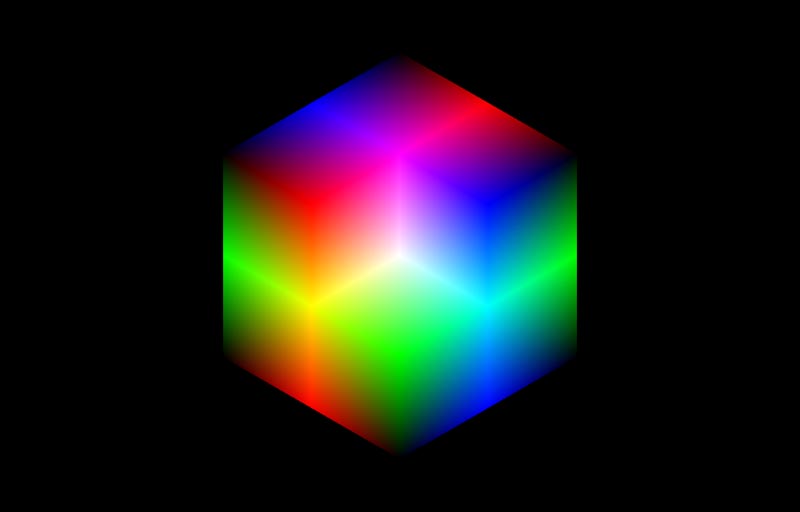
Color spaces are limited color areas which designed to show similar colors on different output devices like cameras, printers, monitors. It is defined with different color profiles such as sRGB, AdobeRGB etc.Adobe RGBaRGB is a wide color space developed by Adobe in 1998, including the unique color spaces (CMYK) of printers, with the aim of getting richer colors in the printouts. The aRGB we use in digital is ideal with its rich color tones, but it's a problematic color space if you don't know wh
· 4 min read
In this article, we will cover the subject of Color Depth, Bit Per Channel (BPC), which is one of the first steps of color management.Color Depth - Bit Per Channel (BPC)The word bit is a combination of the words byte and digit. Each bit carries two possible values (color depending on our subject). 0 or 1. 2 bits can carry four possible values. 00, 01, 10, 11. Each of these values is different from the other. If we think of bits as an array, each bit we add to the array has twice the value of the
· 6 min read
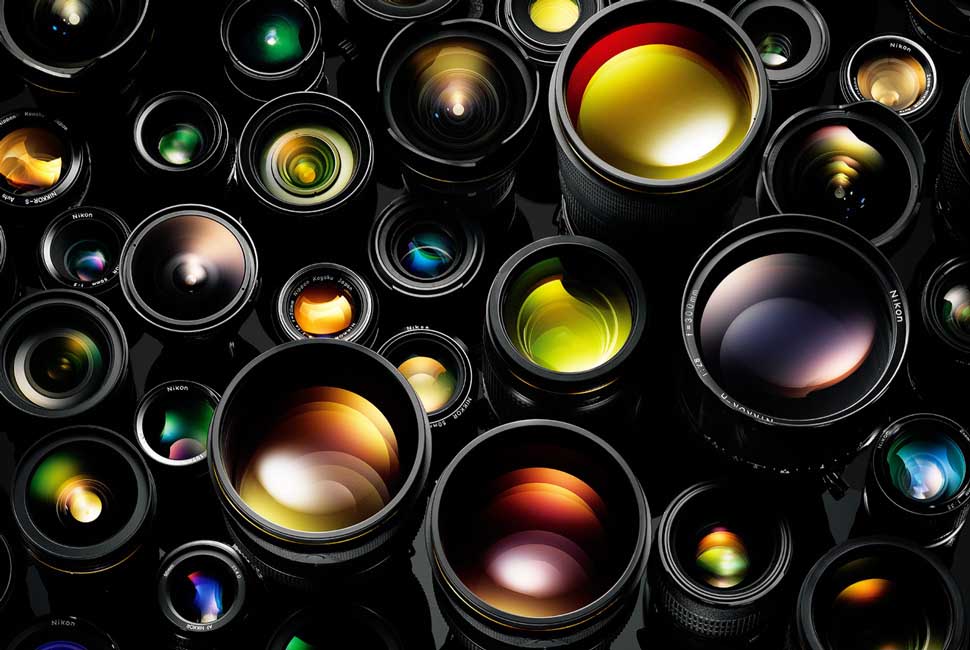
In this article, we will try to explain the main features of the camera and especially the lenses, and the lens selections according to the conditions by explaining the commonly used terms.A modern camera is a digital image recorder working via the lens focusing scattered rays to the sensor and in the sensor a filter called Bayer seperates colors and sends photons to photosites in sensor then those photons are converted to digital data.Video cameras are devices that can record images at certain
· 12 min read
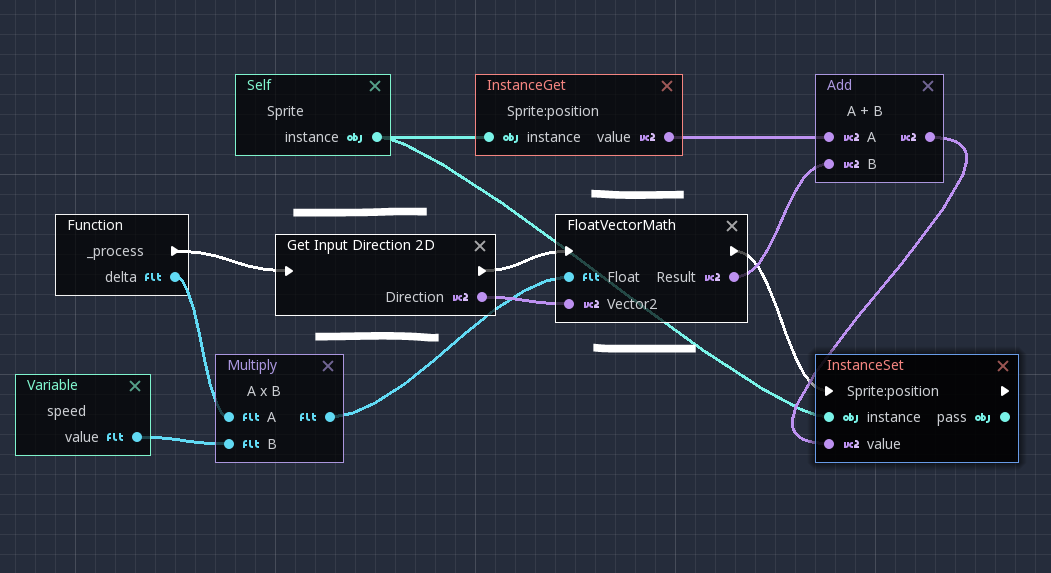
We will try to explain why we should choose Node Editor.There was a time when the Node Editor did not exist in 3D. Even at that time materials worked as node base under the hood. We had and still have a simple beautiful Material Editor. We have our channels, click the button, specify the tree texture and we have a Diffuse Texture of a tree material. then we just copy Diffuse channel and paste it to Reflection, Roughness, Bump and Displacement. So simple. So easy. When we open the node editor we
· 5 min read
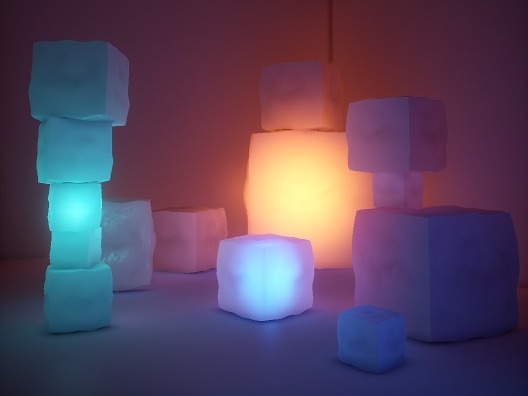
Translucency is the superset of Transparency and Subsurface Scattering.With that in mind, in order to eliminate some conceptual confusion, it is necessary to include Opacity into the equation. Opacity (mass density of matter) is also inclusive on Translucency. So it goes like Opacity>Translucency>Transparency...There is an inverted relationship between Opaticy and Translucency/Transparency and Opacity is the dominant one here. We need to decrease the Opacity in order to achieve Transparency. Vic
· 6 min read
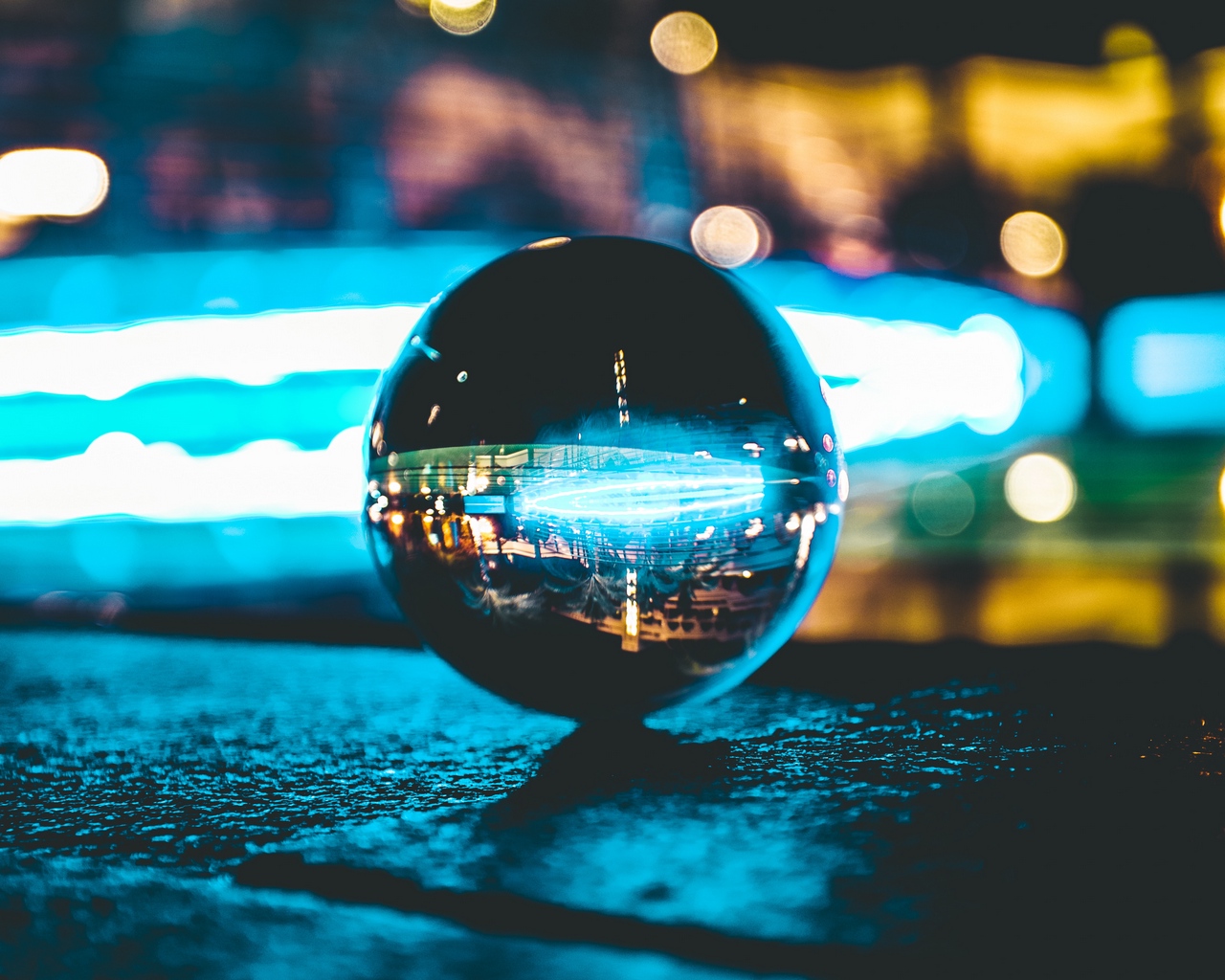
In this article, we try to explain the interactions of light with various type of objects and the outcomes.In our previous article, we tried to explain the forming and qualities of light and colors with a bit of physics-based theory.Now we will dive a bit deep and try to explain some of observable qualities of light.When light interacts with an object, the most important factor of the outcome is the structure of the object. Light shows different interactions with air, water, soil, wood etc.. Obj
· 7 min read
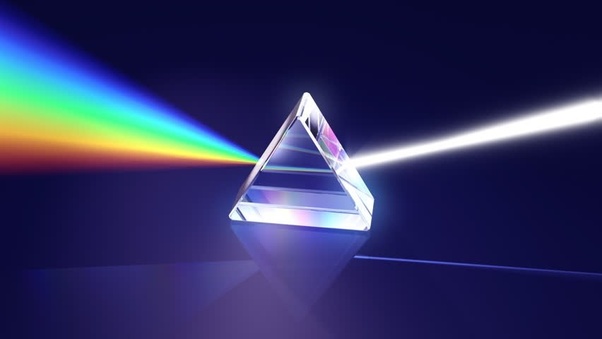
In this post, we will explain some of the basic theories of the generation and behavior of light and colors. We 3D Artists love every 3D software no doubt. As we ricochet from 3DS Max to Maya, Houdini, Unreal with our monkey appetite, we discover both similarities and differences of those softwares.However, some basic information is fixed in all software relied on physics. There are many constants such as light, color, reflection, refraction, opacity, transparency, sss etc. We will first try to
· 6 min read